WELCO METOT HENEX TLEVEL - Shadow of the Beast II

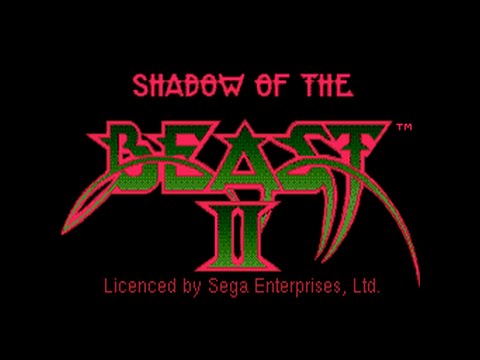

Original Developer: Reflections Interactive Port: Digital Developments Publisher: Psygnosis Released: 1994
As a kid who never saw an Amiga computer in person, it always seemed like some mythical machine capable of playing games that looked so amazing they could never be replicated on the home consoles I actually had access to. And Shadow of the Beast always popped up as an example of exactly that. See how pretty this game is? The Amiga is incredible! The Genesis and SNES will never look this good!
Of course, Shadow of the Beast did eventually make it to the Genesis thanks to Electronic Arts. I remember being so excited to play it. I was finally going to find out what all the fuss was about. Yeah, I knew it wasn’t going to look as nice as the Amiga original, but I could accept that.
What I couldn’t accept was the awful gameplay. This was the game magazine has been showing off forever? This was what I’d been waiting for? Talk about all flash and no substance! It was an early indication of what I later found to be true: so many Amiga games were tech demos of the computer’s horsepower first and games second.
So it’s safe to say I didn’t have very high hopes for Shadow of the Beast II on the Sega CD. Which I guess was a good thing? At least I wasn’t disappointed this time around.
Shadow of the Beast II was actually released on cartridge as well, but this is one of those instances where the two different versions aren’t really related. While the cartridge port was done by WJS Design and released by Electronic Arts, the Sega CD port was done by Digital Developments and released by Psygnosis itself, the same company that published the original game on the Amiga. I believe (but not entirely sure) that this version of the game is closely related to the rare FM Towns Marty port.

Shadow of the Beast II feels kind of like a platformer mixed with a traditional PC graphic adventure. You’re running around in an open world with multiple paths, at the end of which are usually different characters or monsters you have to deal with. But you have to do everything in a specific order, or you’ve basically wasted the time and energy you spent getting there. Get to the Wizard before finding his ring and he’ll tell you to go back. Get to the entrance of the good dragon’s cave and his guard will tell you to go find the evil dragon and kill him to retrieve some other thingamabob or doohicky before you can proceed. Think the worst of Rare games on N64 and GameCube and you’re on the right track.
That format is pretty infuriating in itself, but it’s made that much worse by absolutely awful controls and hit detection. So many problems! First of all, the main character doesn’t react at all when hit, so it’s possible to keep running headlong into danger while taking a stupid amount of damage. There’s also an issue where no button input will read during the turning animation on the hero, so, for instance, jumping back and forth between alternative platforms can be needlessly frustrating when you on-screen avatar simply doesn’t jump when you want him to.

What’s more, the encounters are very poorly designed. Oftentimes enemies just keep spawning in at a relentless rate until you’ve passed an invisible trigger point. And these terrible encounters are exacerbated by awful hit detection. It’s a mess.
I guess if there’s a positive here it’s that the first game set your expectations pretty much perfectly for the sequel. I guess, maybe, you could look at this as an extremely early example of a Metroid style adventure game. It was originally released in 1990, to be fair. But the original Metroid on the NES felt like a much better game. And none of that really matted if you were a Sega CD player, since Super Metroid hit the SNES the same year as Shadow of the Beast II came out on this platform.